
Megaways Ways Calculation Logic And The Australian Player Experience
Most Aussie players assume a slot’s payline count tells the whole story, but megaways ways calculation logic changes the picture entirely. Instead of fixed lines, each spin can reshape how matching symbols connect across reels, which means volatility, bet sizing, and session planning need a different mindset. For anyone used to tracking straightforward paytables, this mechanic asks you to think in probabilities rather than visible paths, and that shift matters when you’re balancing entertainment with a sensible bankroll.
When I’ve coordinated hiring pipelines for remote iGaming ops teams, I’ve seen how interface clarity separates a polished product from one that frustrates new users. The same principle applies here: a well-structured paytable, clear bet controls, and readable way-counts make the maths feel approachable rather than opaque. Localisation matters too, because an Australian-facing product should present currency, help text, and responsible-play prompts in a way that matches everyday expectations instead of forcing players to decode foreign phrasing.Smart Ways To Improve Your Bingo
How The Math Shapes Every Spin
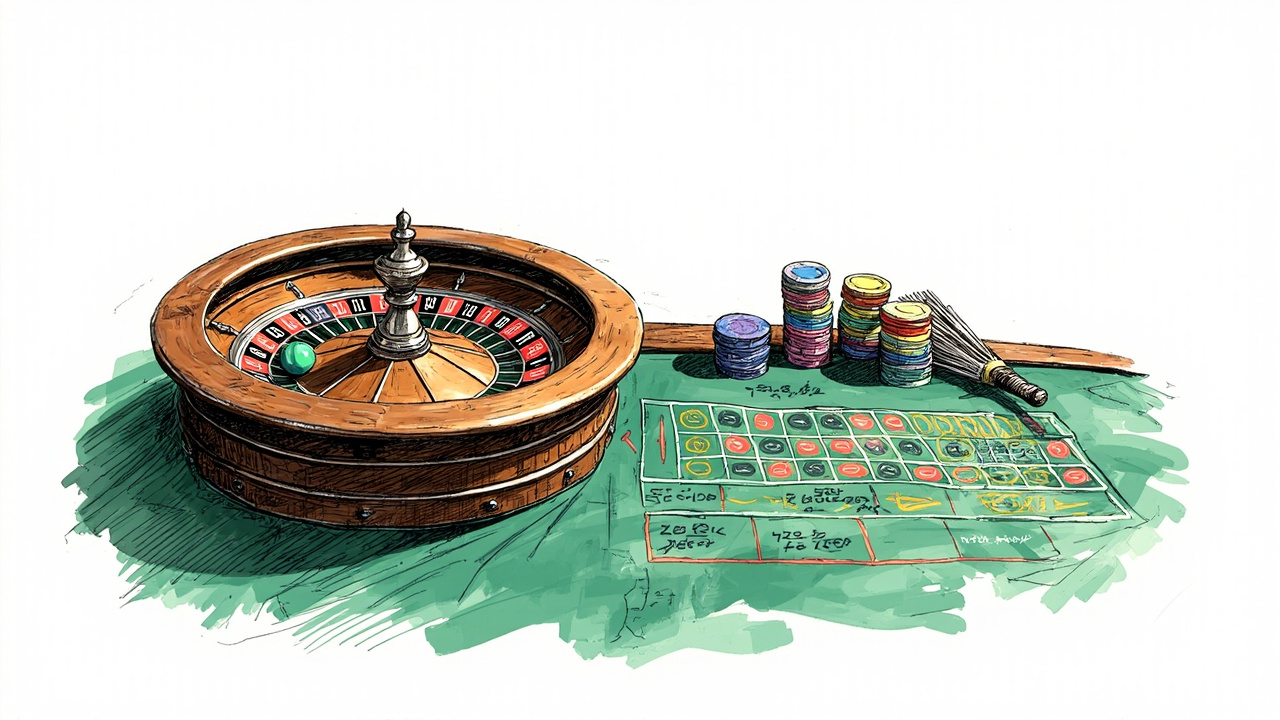
At its core, megaways ways calculation logic is about dynamic symbol positioning rather than a static line map. Each reel can hold a different number of symbols, and the total ways to win are calculated by multiplying those positions across the grid, which is why you’ll see figures that climb well beyond traditional payline counts. That multiplication is what produces the advertised total, but it’s also why two spins with identical symbol layouts can still behave differently depending on how the cluster aligns.
The practical takeaway is that higher way counts don’t automatically mean better outcomes; they usually mean more frequent small hits alongside wider variance. I’ve reviewed onboarding flows for finance and marketing teams where the rule was simple: if the numbers aren’t explained in plain language, users make poor decisions. Slot interfaces should follow the same standard, showing how a spin’s cost scales with the chosen ways and what that means for the bet per line equivalent.
Players who an example want to understand the mechanic before committing time or money can visit https://big-bass-demo-au.com/ to see how way-counts are presented alongside bet controls and paytable detail. That kind of layout helps you judge whether the interface is actually transparent about how each spin is priced, which is a better starting point than chasing big numbers without context.
Where The Misconception Shows Up
A common misunderstanding is that more ways automatically translate into bigger or more frequent wins, when the reality is more nuanced. The total ways figure is a structural descriptor, not a promise of payout frequency, and the actual return profile still depends on symbol distribution, volatility settings, and the underlying maths model. Treating the advertised total as a shortcut to expected value is how players misread a session and overcommit on a whim.
Noah Fisher, Compliance Director, Gold Coast Gaming Network, has noted that players often conflate visual scale with mathematical advantage, and that confusion is exactly what clear presentation should reduce. When a paytable and bet panel explain the relationship between stake, ways, and symbol values in plain terms, the mechanic becomes easier to evaluate on its own merits rather than as a headline number.
If you’re comparing how different games communicate these details, it’s worth reading a related piece on Smart Ways To Improve Your Bingo Chances Online, because the same discipline around understanding odds and managing expectations carries across to way-based slots. The throughline is simple: informed players read the structure before they read the result.
Usability And Local Fit For Australian Players
For an Australian audience, the everyday usability of a slot interface comes down to language, currency, and navigation that feel familiar rather than imported. A product that presents amounts in dollars and cents, uses sensible help wording, and keeps the bet controls within a couple of taps is already ahead on practical grounds. Search and category filters should also make it easy to find way-based titles without wading through unrelated sections, because clarity in the menu is part of the same transparency story.
Mobile play is where many sessions actually happen, so the same logic needs to hold on a smaller screen: way-counts, paytable access, and stake adjustment should remain readable without crowding the game view. I’ve managed ATS-style workflow reviews where the test was always whether a process survived real-world use, not just a clean demo, and slot interfaces deserve the same check. If the bet panel collapses into something hard to interpret on a phone, the maths behind the ways stops mattering because the player can’t confidently set their stake.
Local touches matter too, whether that’s support hours that align with Australian time zones or responsible-play prompts that use straightforward wording instead of imported jargon. A Cairns-based player should not need to translate the interface before they can read a paytable or adjust a bet, and that standard is about usability first, not decoration.
Bonus Mechanics, Limits, And Session Planning
Bonus features in way-based slots often interact with the same calculation logic in ways that aren’t always obvious at first glance. Free spins, expanding symbols, or multiplier rounds can change how symbols land and how ways are counted during those phases, which is why the advertised total is only part of the picture. A clear interface will separate base-game information from feature behaviour so players aren’t surprised by how a bonus round reshapes the same grid.
Payment and currency handling should be equally straightforward, with deposit and withdrawal flows that match the currency shown in the game panel and the account balance. Registration details, verification steps, and any session limits need to be presented plainly, because ambiguity there creates more risk than the slot mechanic itself. I’ve seen how a messy onboarding process can derail an otherwise solid product, and the same applies when a player is trying to understand stakes, limits, and support options before playing.
Loyalty or rewards elements can add another layer, but they should never blur the line between promotional incentives and the underlying maths of the game. If a product is going to mention perks, it should do so in a way that keeps the core mechanic visible and the terms readable, rather than burying the actual ways calculation behind marketing language.
Bringing It Back To Informed Play
Megaways ways calculation logic is best understood as a different way of structuring outcomes, not a shortcut to better returns. The numbers on the screen describe how symbols can connect, but they don’t replace the need to read the paytable, set a stake that fits the session, and treat the mechanic as entertainment with built-in variance. For Australian players, the strongest products are the ones that make that structure visible in plain language, keep the interface usable on mobile, and present currency, limits, and support without friction.
A sensible approach is to treat the advertised total as a starting point for curiosity, then check how the bet scales, how the paytable explains symbol values, and how any bonus features change the same grid. That habit keeps the focus on understanding rather than assumption, which is the most practical position to take before spinning.
Dein Kommentar
An Diskussion beteiligen?Hinterlasse uns Deinen Kommentar!